

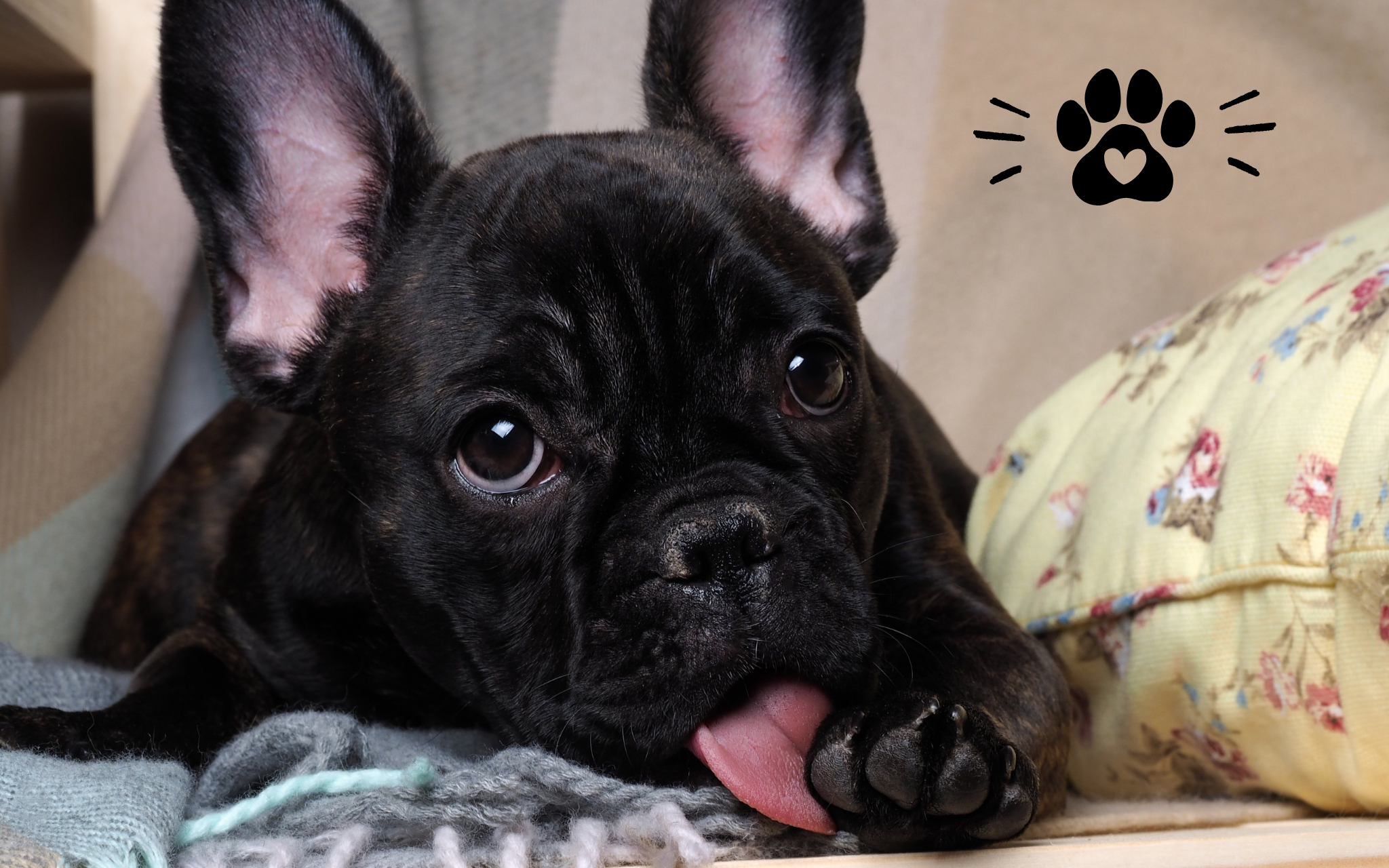
Did you know that paw chewing isn’t always caused by something on or in the paw itself? Similarly to humans, gut health issues can affect your dog’s skin, too. When this occurs, it often triggers certain behaviours like paw licking and chewing. While not always the cause of these habits, gut health problems are worth looking out for if paw chewing becomes persistent, especially when accompanied by other signs and symptoms. This article explains how the connection between the two works, what to look out for, and how to support your dog’s gut health.
The gut–skin connection in dogs
The gut plays a key role in immune function. In fact, your dog’s gut is home to approximately 70% of their immune system. When the gut becomes imbalanced, often known as gut dysbiosis, immune overreactivity can occur. In other words, the imbalance can change how your dog’s body reacts to triggers. This means that otherwise harmless or benign triggers can suddenly start to bring on heightened immune responses and increase the release of histamines. Additionally, inflammation can increase, resulting in further skin irritation. This often leads to behaviours like scratching, biting, and licking the skin, particularly the paws. So, while paw chewing can have many root causes, it can be a direct symptom of poor gut health.
Signs their gut may be the cause of paw chewing
Paw chewing is a common habit in dogs, and is not always caused by underlying gut health issues. However, gut health is a known factor that can contribute to this behaviour. Looking for specific signs and symptoms along with paw chewing can help you determine if gut health issues are a likely root cause. These include:
- Ongoing, persistent paw chewing (not occasional)
-
Paired with digestive symptoms:
- Inconsistent stools (particularly soft stools and diarrhea)
- Gas
- Bloating
- Digestive discomfort
- Flare ups that occur when dietary changes are made
- Worsened symptoms from stress
- Other skin issues (ears, general itching, frequent hotspots)
- No clear external cause
These signs, particularly when more than one are present simultaneously, can indicate that your dog’s gut microbiome may need some extra support.
What contributes to poor gut health in dogs?
Poor gut health in dogs can stem from various factors, including:
- Frequent diet changes
- Processed or overly rich treats and chews
- Too many different ingredients at once
- Overfeeding
- Stress and routine disruption
- Food sensitivities and/or allergies
- Poor digestion or gut motility
If you suspect your dog has poor gut health, it’s a good idea to examine their diet and lifestyle to identify areas that may be contributing to the issue.
Supporting their gut health & reducing paw chewing
Thankfully, there are numerous ways to support your dog’s gut health, which can also help reduce paw chewing (when gut issues are the cause). First, make sure that their diet is consistent and simple. Try to avoid constantly switching between different products, as this can upset their system. As for treats and chews, opt for those made from a single-ingredient (or a few simple, natural ingredients) that you know your dog can tolerate well.
Some pet parents also find that gut health supplements for dogs can be helpful for restoring a healthy microbiome. For example, Cornish Kaolin Clay is a natural supplement that has long been used for its soothing properties, especially in relieving gastrointestinal issues such as diarrhoea, upset stomach, and indigestion. It works by absorbing toxins, bacteria, and other harmful substances in the digestive system to provide relief from both acute and chronic digestive discomfort.
Make sure to continue to monitor their stool for important signs like consistency and colour changes. This can help you identify issues as well as improvements from your gut health support efforts. If their symptoms persist, the paw chewing won’t stop, and their digestive system won’t settle, make sure to contact your vet for professional support.
Final thoughts
If your dog is consistently scratching, chewing their paws, and seeming generally uncomfortable, it’s worth assessing their gut health. The gut microbiome is powerful and influential in various areas of overall wellbeing, including the skin. So, when you see signs that would initially point to something superficial, be sure to dig deeper if they persist. This helps you support your pooch so they can live the happiest, healthiest life possible.


